
Tokyo
3 daysJapan's huge capital combines futuristic architecture, traditional temples, shopping districts, food markets, anime culture and world-class public transportation.
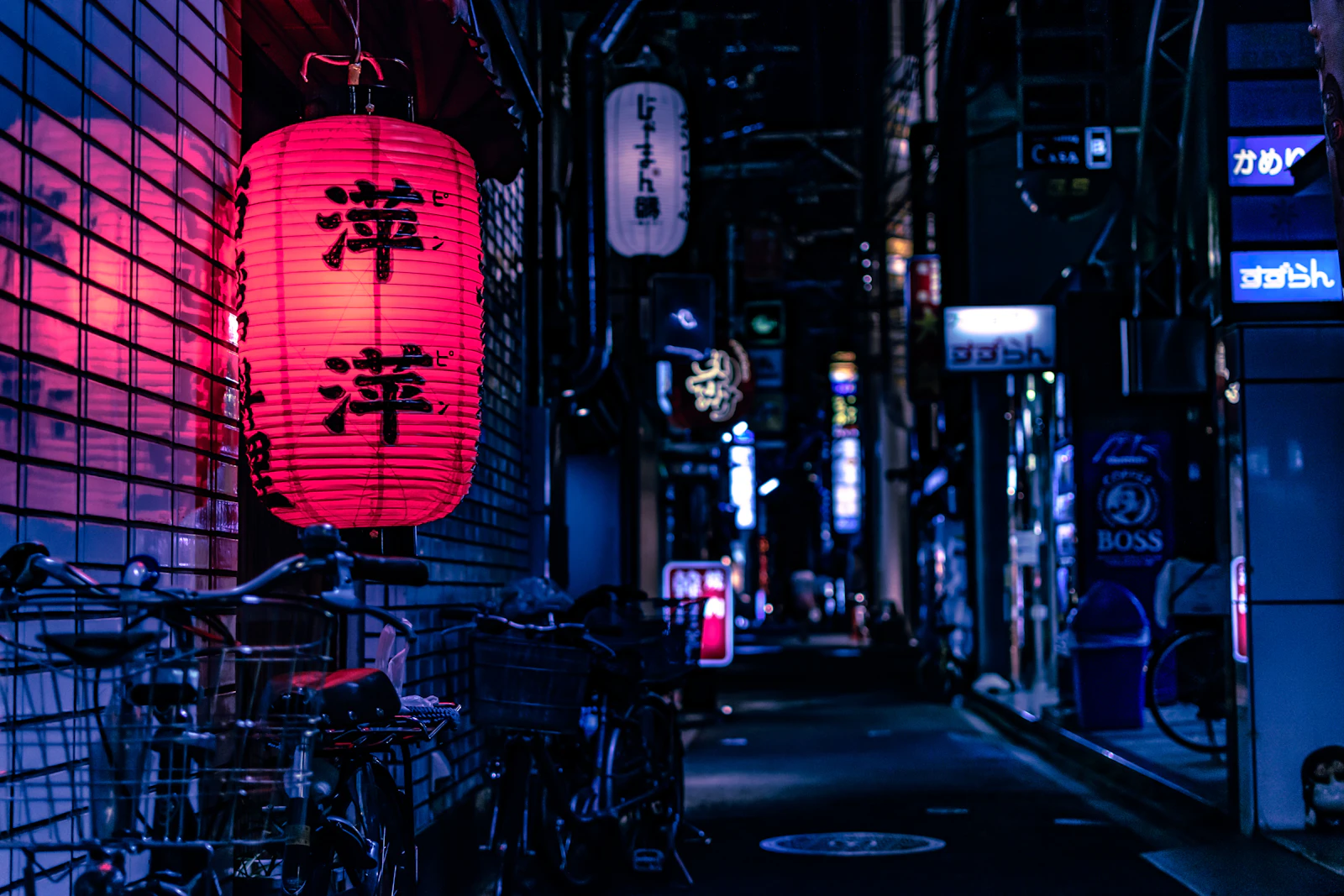
Plan an unforgettable Japan trip with Tokyo, Kyoto, Osaka, Mount Fuji, traditional culture, modern cities and unforgettable food.
Recommended stay
5–21 days
Budget
₹1,00,000–₹1,50,000 per person for a shorter budget-conscious trip, excluding international flights.
Currency
Japanese Yen (JPY)
Transport
About this destination
Explore Japan with a carefully planned itinerary covering Tokyo, Kyoto, Osaka, Mount Fuji, Nara and other unforgettable destinations. Discover the best time to visit Japan, recommended trip duration, costs, transportation, accommodation, Japanese food, Indian-friendly travel tips and popular routes.
When to go
Travel budget
Budget
₹1,00,000–₹1,50,000 per person for a shorter budget-conscious trip, excluding international flights.
Typical estimated spend excluding international flights.
Mid-range
₹1,60,000–₹2,50,000 per person for a comfortable trip with good hotels and intercity travel.
Typical estimated spend excluding international flights.
Premium
₹3,00,000+ per person for premium hotels, private experiences and higher-end dining.
Typical estimated spend excluding international flights.
Places to explore
Japan's huge capital combines futuristic architecture, traditional temples, shopping districts, food markets, anime culture and world-class public transportation.
Japan's cultural capital is known for temples, shrines, traditional neighborhoods, gardens, tea culture and seasonal scenery.
A lively city famous for street food, nightlife, shopping and its friendly atmosphere.
Japan's iconic mountain provides spectacular scenery and can be visited from Tokyo through several surrounding destinations.
Historic Nara is famous for its temples, parks and friendly deer and makes an easy day trip from Kyoto or Osaka.
A historically important city with museums, memorial sites and access to the scenic island of Miyajima.
Japan's northern island offers skiing, winter landscapes, seafood, national parks and cooler summer weather.
A tropical island region known for beaches, coral reefs, distinctive culture and relaxed resort experiences.
Suggested route
Tokyo
Arrive in Tokyo, settle into your hotel and experience one of the city's lively neighborhoods.
Tokyo
Discover Tokyo's modern neighborhoods, shopping streets and famous viewpoints.
Tokyo
Experience Tokyo's technology, anime, gaming and traditional culture.
Fuji Five Lakes
Travel toward Mount Fuji for scenic views and lakeside landscapes.
Kyoto
Travel to Kyoto and begin exploring Japan's traditional cultural capital.
Kyoto
Explore Kyoto's famous temples, gardens and traditional neighborhoods.
Kyoto / Nara
Explore the famous Arashiyama area and optionally continue to Nara.
Getting around
Japan's famous high-speed trains connect major cities such as Tokyo, Kyoto and Osaka.
Extensive urban rail systems make Tokyo, Osaka and Kyoto easy to explore.
Regional and local rail services are useful for shorter trips and day excursions.
Buses provide useful connections in cities and rural areas not directly served by rail.
Taxis are clean and reliable but generally more expensive than trains and buses.
Where to stay
₹4,000–₹10,000 per night
Compact, practical hotels with convenient locations near stations.
₹8,000–₹20,000 per night
Comfortable hotels with larger rooms and convenient amenities.
₹12,000–₹40,000+ per night
Traditional Japanese accommodation often featuring tatami rooms, futons and sometimes onsen facilities.
₹2,000–₹5,000 per night
Affordable accommodation suitable for backpackers and solo travelers.
₹25,000–₹75,000+ per night
High-end hotels with premium rooms, restaurants, spas and exceptional service.
Local food
One of Japan's most famous foods featuring vinegared rice with seafood or other toppings.
Japanese noodle soup available in many regional styles and broths.
Lightly battered and fried vegetables or seafood.
Savory Japanese pancake with regional variations, especially popular in Osaka and Hiroshima.
Thick wheat noodles served hot or cold with different broths and toppings.
Buckwheat noodles commonly served hot in broth or cold with dipping sauce.
Rice balls commonly filled with savory ingredients and wrapped in seaweed.
Soft Japanese rice cakes available in many sweet varieties.
Before you go
Book popular accommodation early during cherry blossom and autumn foliage seasons.
Avoid changing hotels every night because moving luggage between cities can be tiring.
Stay near major railway stations for easier transportation.
Use an IC transportation card where supported.
Reserve popular attractions and experiences ahead of time when required.
Keep a physical or digital copy of important travel documents.
Learn a few basic Japanese phrases.
Carry some cash even when primarily using cards.
Allow extra time for train transfers in large stations.
Travel light because Japanese trains and stations can become difficult with large luggage.
Frequently asked questions
For a first trip, 10 days is a good balance. Seven days can cover Tokyo and Kyoto, while 14 days or more allows you to add Osaka, Hiroshima, Hokkaido or other regions.
Spring and autumn are popular because of comfortable weather and seasonal scenery. Winter is excellent for skiing, while summer is ideal for festivals and northern Japan.
A Japan trip from India can vary significantly depending on flights, season, accommodation and transportation. A comfortable 10-day trip can commonly fall around ₹2–₹3.5 lakh per person including flights.
Yes. Japan has excellent infrastructure, efficient transportation, major international airports and Indian restaurants in large cities. Vegetarian travelers should pay particular attention to hidden fish-based ingredients.
Vegetarian food is available, particularly in Tokyo, Kyoto and Osaka, but travelers should check ingredients carefully because fish-based dashi and bonito flakes are common.
Tokyo, Kyoto, Osaka, Mount Fuji and Nara are among the most popular destinations for first-time visitors. Longer trips can include Hiroshima, Hokkaido and Okinawa.
Japan can be expensive compared with some Asian destinations, but travelers can control costs through business hotels, hostels, local restaurants, public transportation and advance planning.
Japan can work very well for a honeymoon, combining luxury hotels, ryokans, scenic destinations, food experiences, onsens and romantic cities such as Kyoto.
Yes. Japan has an extensive rail and public transportation network, making a car unnecessary for most first-time itineraries covering Tokyo, Kyoto, Osaka and major tourist destinations.
For a first trip, many travelers combine both. Tokyo provides modern Japanese city life, while Kyoto offers traditional temples, gardens and historic neighborhoods.
Three days is a useful starting point for first-time visitors, although Tokyo can easily fill five or more days because of its size and number of neighborhoods.
Two to three full days is a good starting point for Kyoto, with additional time useful if you want to explore more temples, gardens and nearby destinations.
Continue exploring
Combine Japan with Seoul, Busan and other South Korean destinations.
ExploreA convenient East Asian extension combining Taipei, nature and food.
ExploreA popular stopover destination when combining Japan with Southeast Asia.
ExploreCombine Japan with Bangkok, Phuket or other Thai destinations.
ExploreUse FLYTINERARY to turn this destination into a trip that matches your time, budget and travel style.
Plan my trip